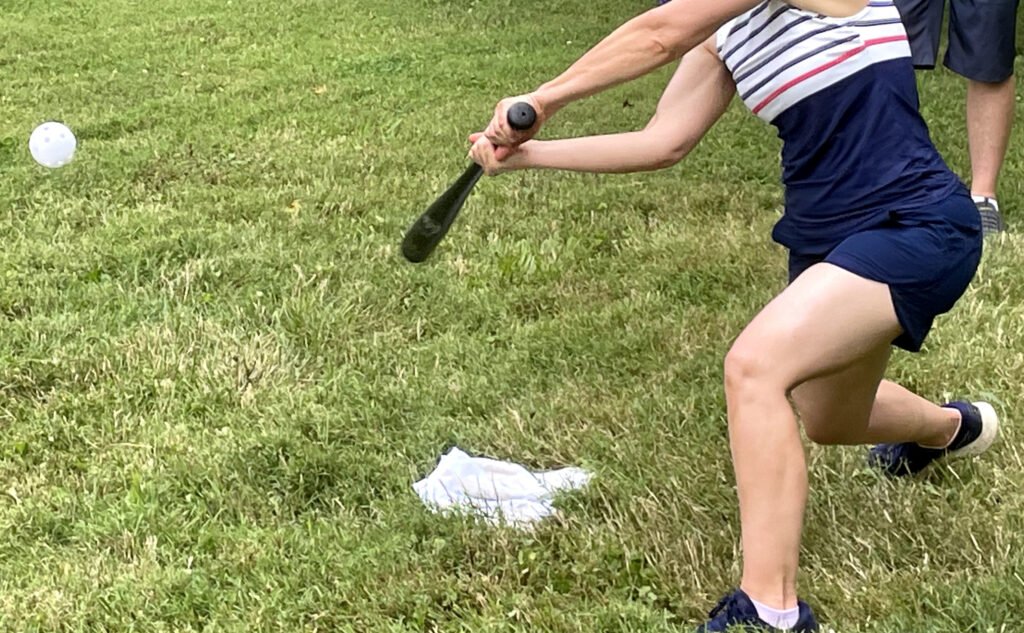
I grew up in a family of brothers who loved playing sports. I also grew up in a small town where it was easy to be a part of many things. As a result, I participated in a variety of sports including basketball, volleyball, tennis, track and field, kickball, football, and softball. Our preferred family time was playing some sort of sport together. As a kid, my favorite was Wiffleball. I loved the challenge of trying to catch my older brothers’ long hits.
Stemming from my active childhood, I wanted my children to have similar fun memories associated with outdoor family games. From the time they were small, I taught them how to throw, catch, and kick. It made me so happy to be playing with my kids and teaching them fun skills. As they grew older, I enjoyed playing more challenging and competitive yard games with them such as Spikeball, Kan Jam, and my childhood favorite–Wiffle Ball. As a family, we love playing these games. In this post, we’ll look at the benefits and drawbacks of each of these games so your family can enjoy them too!
This post contains affiliate links. If you make a purchase through these links, I may earn a small commission at no extra cost to you. As an Amazon Associate, I earn from qualifying purchases.
Up First: The 360-Degree Adrenaline Rush of Spikeball
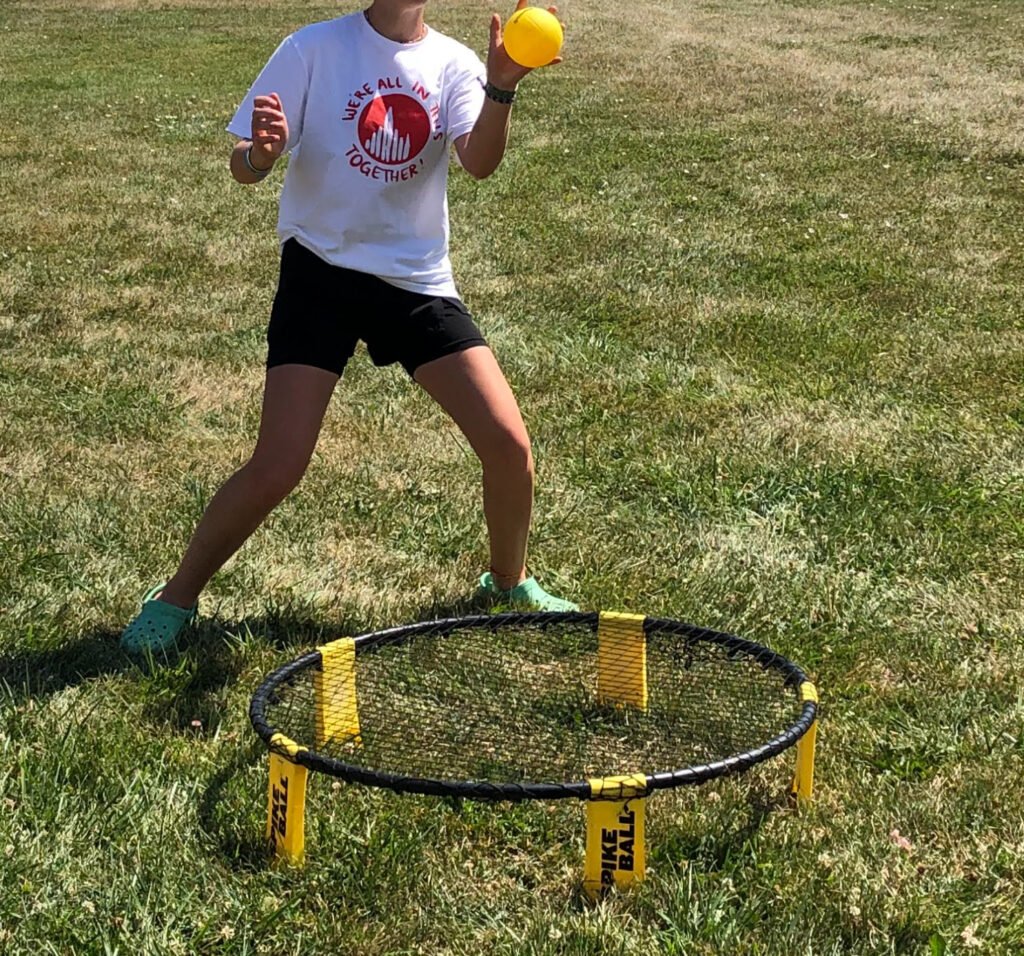
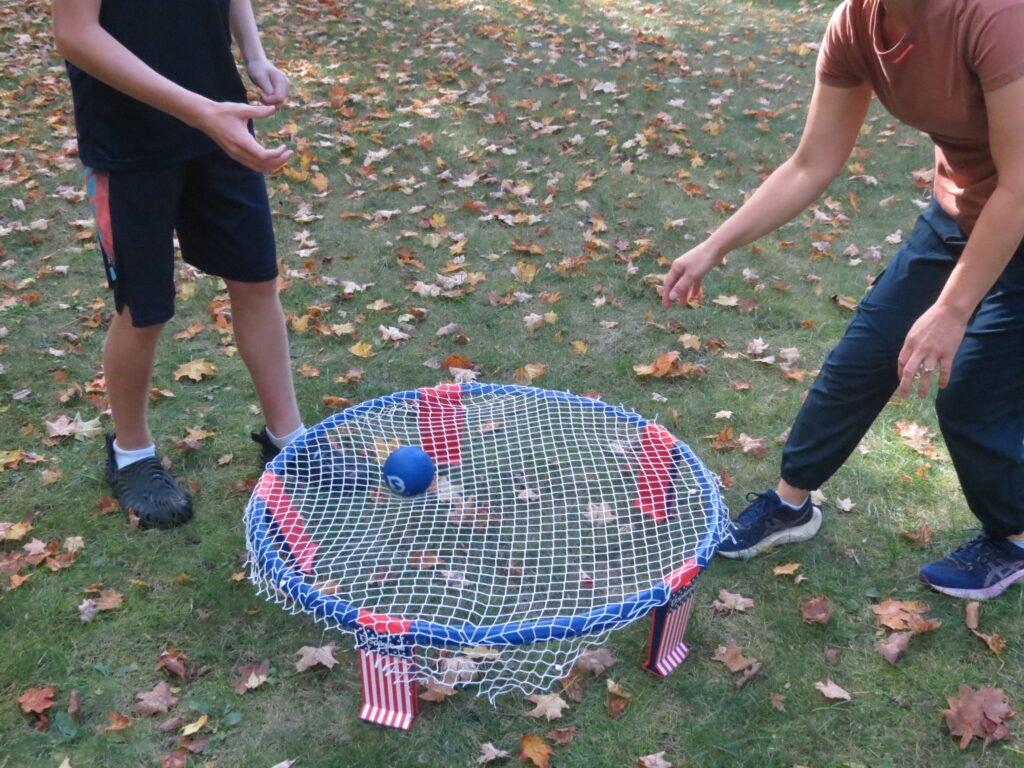
Spikeball is a dynamic game that combines elements of volleyball and four square. One of its benefits is that it promotes physical fitness, as players are constantly moving around the net. My teenagers and I love to play in this way, constantly moving. Spikeball also can be enjoyed by players of all ages and skill levels, making it a team building and an inclusive option. I found that it is an easy game to learn, especially for anyone who knows the basic rules of volleyball. It can also be played with two players as well as four. The game is highly portable, perfect for outings! However, the game is fast-paced, so it could be challenging for young or new players. It takes more practice and skill to play than other yard games. Spikeball also requires a flat surface area, which might limit where you can play.
A note about the Spikeball Brand game vs. a generic version of the game: When we first purchased this game as a family, we bought the generic version because of its significant price difference. However, we quickly learned that this was a huge mistake. The circle frame buckled when we tried to put it together, making it difficult to play. We then purchased the Brand name game and it has been amazing. Please don’t waste your money on a generic game.
Pros: promotes fitness, inclusive, builds teamwork, relatively easy to learn, portable
Cons: requires skill, needs flat surface


Next Up: Flick, Fly, and Deflect Your Way to Kan Jam Glory
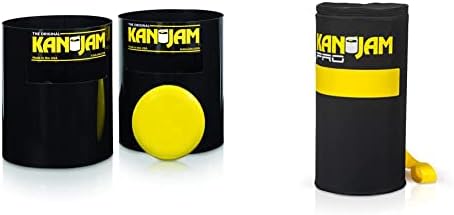
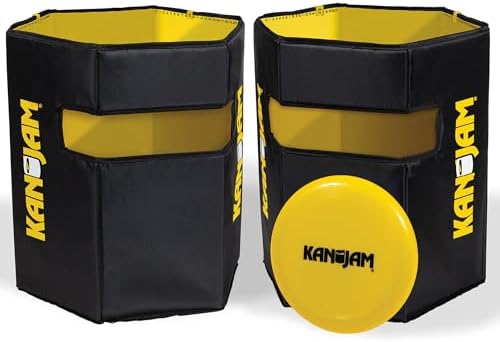
Kan Jam offers a relaxed atmosphere, focusing on tossing a frisbee-style disc towards a large can and trying to make the frisbee hit or land in a hole in the can. This game is highly family-friendly, allowing even the youngest players to participate without the need for long explanations or practice. The cooperative nature of Kan Jam encourages teamwork, making it an excellent choice for building family bonds. This game is also highly portable, especially the foldable versions. One downside of Kan Jam is that some people may find the gameplay less physically demanding, potentially leading to a slower pace that might not appeal to everyone.
Pros: builds teamwork, relaxed, requires little skill, portable
Cons: slow game play

Contender #3: Wiffle Ball, The Undisputed Classic of the Backyard
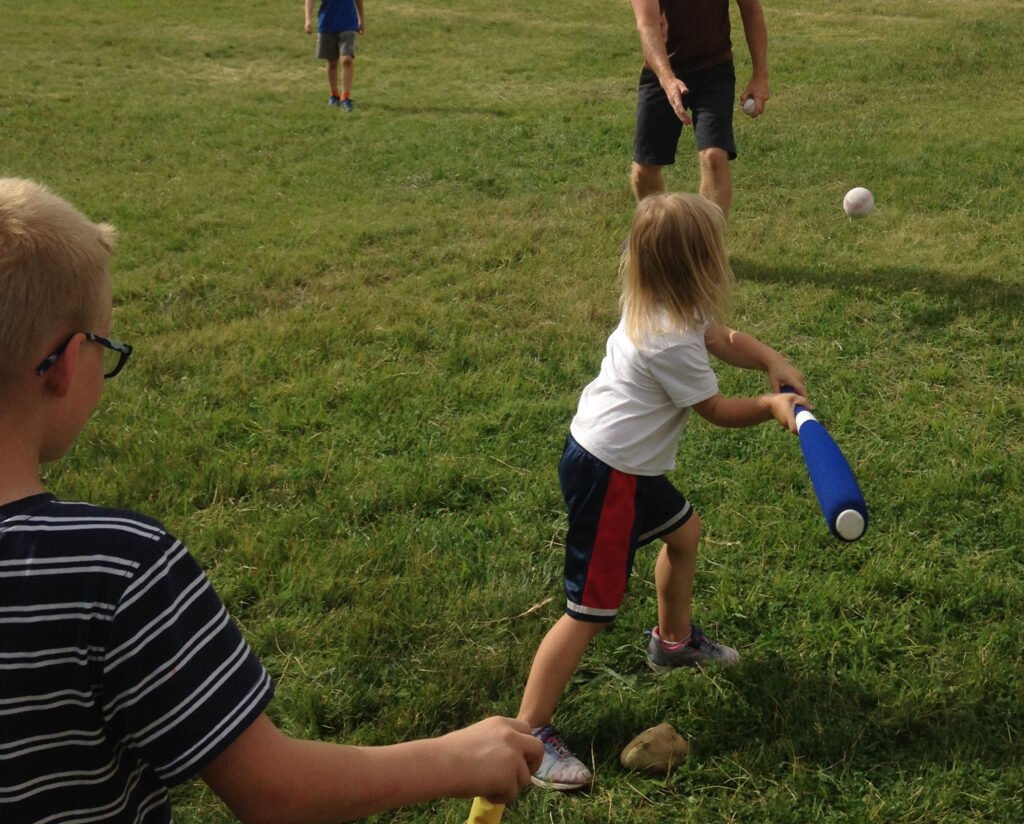
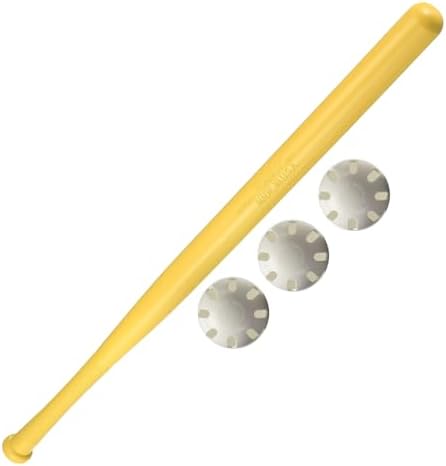
A true family favorite game. It is like playing baseball with a plastic ball and bat, making it easy to catch the ball with hands instead of a mitt. Wiffle ball is a perfect way to include all family members, from the youngest toddler to the grandparents. It can be played as practice with only a pitcher or batter and can be expanded to include an entire group at a family reunion. Wiffle ball requires little skill and is easily learned. It is incredibly portable as you only need a bat and ball, also making it highly affordable. A downside could be that if it is a large group playing, each person doesn’t get to bat very often, so some children may become disinterested.
Pros: Inclusive, easy to learn, requires little skill, cost effective, portable
Cons: slow game play


Now go find your own family fun!!